Reflections on governance

Tuesday, 23 September 2025 | Issue 0012
While there’s much to stay about the state of the US and the world this week — the aftermath of Charlie Kirk’s assassination, the UN General Assembly, we’ve chosen to focus on more constructive elements in our midst.
We explore three pieces that remind us we are the protagonists of our own lives; we are the designers and technologists and futurists and leaders we’ve been looking for.
SIZE: What can be learned from the small among us?
DESIGN: How people & history make the world around us
ART: What compassion looks like in paint
It turns out there’s a lot David has to teach Goliath
When she’s not hosting a weekend program or participating in various writers gatherings and conferences, Monocle’s Georgina Godwin is often found interviewing writers. Recently, she spoke with investment banker, nonprofit leader, and big thinker, R James Breiding. He’s out with a new book, “What Goliath can learn from David,” which “explores how smaller countries can offer effective solutions to global challenges that large countries like the US for instance often struggle with.”
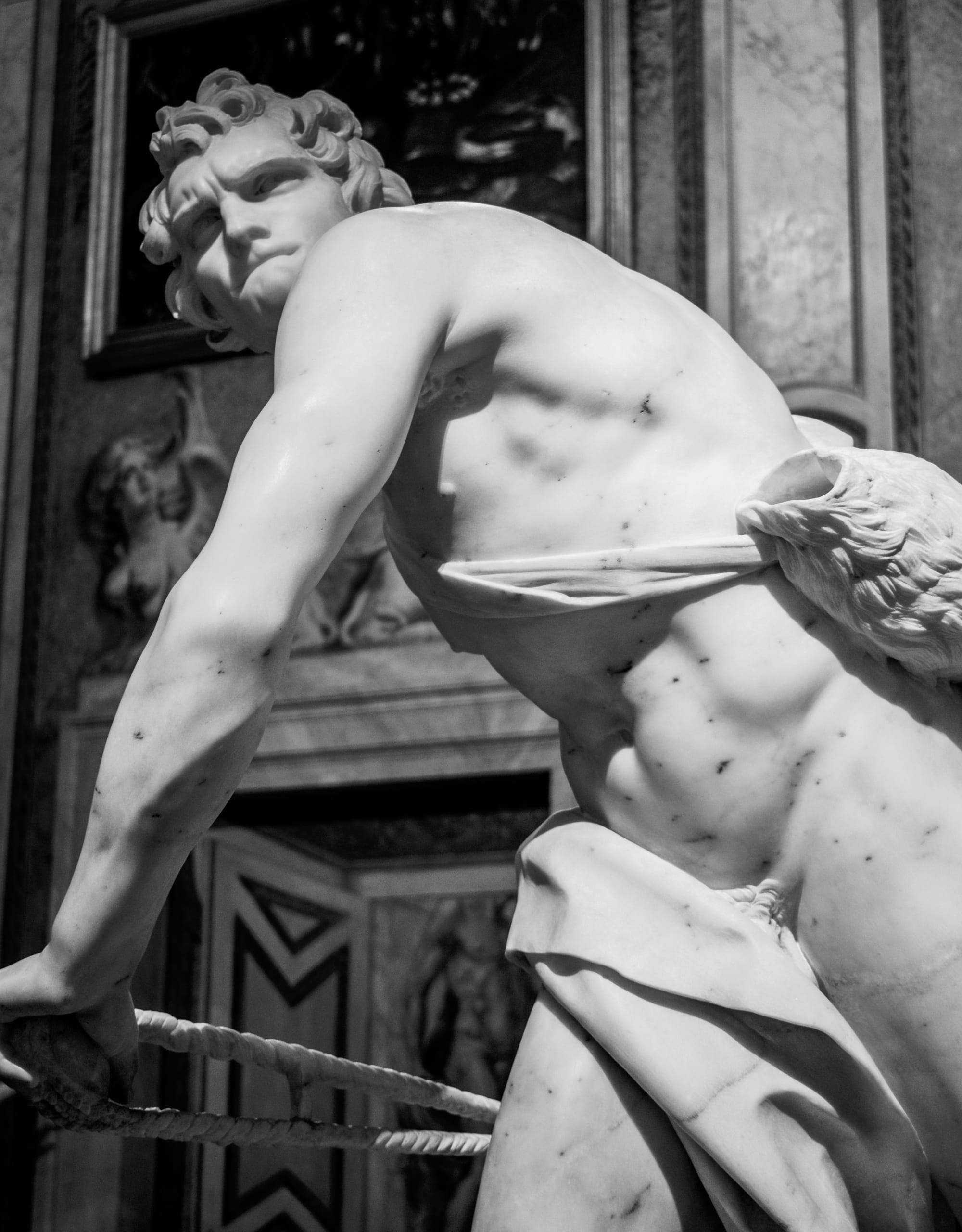
Reflecting on his first book about the success of Switzerland, he recounts the importance of well-informed, engaged, and empowered citizens. This, he makes the case, is core to the success of good governance and a shared sense of prosperity.
In speaking about his two more recent books, he highlights the value of looking at things from a different perspective. He takes a true accounting of so-called “economies of scale” finding them to be like an emperor with no clothes. Big doesn’t mean better. So, what is it that smaller countries have to teach larger ones? And what is it they can learn from themselves?
Listen to the full conversation as a way to see things through your own eyes and what it means to take full part in the decisions of significance.
Design and technology prove that the world is what we make it
Recently Monocle’s team of journalists participated in the World Design Congress in London. While there, they asked architects Lord Norman Foster and Julia Watson about their work and experience. Both conversations explored the issues of climate change and sustainability. They also considered what design means for our wellbeing.
There was particular coherence as they talked about our past, present, and future. Design and technology, what will carry us into the future, they contend, should be deeply informed by what’s gone before.
“If design has the power to improve the quality of our lives, spiritually and materially, then technology is the means to that. But closely linked to that are the lessons of history.”
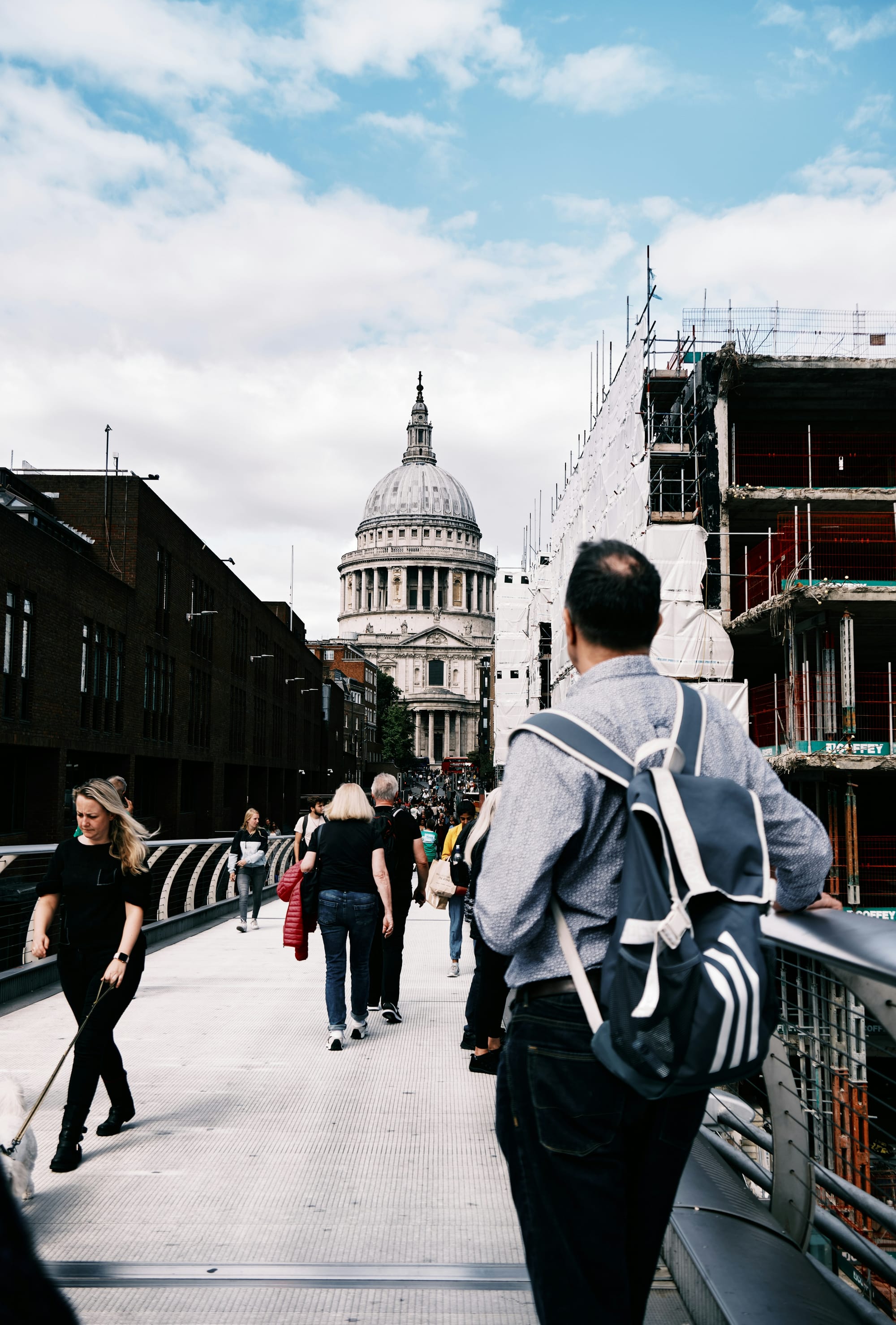
What emerges is a reminder that our life and our built environment is what we make of it. They extol that enduring technologies and designs are contributive in nature. And they elevate the importance of governance in ensuring the sustainability of whatever we create.
Take a listen to hear from Lord Norma Foster and Julia Watson themselves.
“What’s so funny about peace, love, and understanding"?”
CBS Sunday Morning showcased the unveiling of a new mural in the foyer of St. Patrick’s Cathedral in New York. It includes some figures from the church. What’s more, it tells the story of America and depicts the meaning of sanctuary.
The mural was commissioned in part as an antidote to dreariness. The dreariness of the world, yes. But also the very real and felt dreariness as you enter the church.

What came to life in each brush stroke wasn’t just a way to brighten a physical space. What emerged was “a celebration of the continuation of the pilgrimage of God’s people.” A depiction of the power of compassion over cruelty, of humanity over barbarity.
Watch the clip for the full effect and be sure to visit the mural in person next time you’re in New York.
That’s it for this week. We hope you find these stories insightful.
See you next week!